How Clear, Working Pipes Help Water Move the Right Way Again
drain repair helps restore proper water flow by removing blockages, fixing damaged pipe sections, and correcting problems that slow or stop drainage. When a drain line is cracked, clogged, or out of line, water cannot move as it should. Once the trouble spot is found and fixed, sinks, tubs, showers, and floor drains can drain faster and more smoothly again. In many homes, this also helps stop bad smells, backups, and water damage.
Quick Diagnosis Summary
When water drains slowly, gurgles, or backs up, the problem usually starts inside the pipe. A clog may be blocking the path. A pipe may be cracked or crushed. In some cases, tree roots grow into the line and catch waste and debris. drain repair solves these issues by opening the line, replacing broken parts, or sealing weak spots so water can move with less resistance.
Common Symptoms
Most drainage problems give warning signs before a full backup happens. A homeowner may notice one slow sink at first. Then another fixture may start acting up. These signs can show that water is struggling to pass through the system.
- water drains slowly from sinks or tubs
- toilets bubble when a sink or shower runs
- bad smells come from the drain opening
- water backs up into low drains
- strange gurgling sounds happen after use
- standing water stays too long
These problems may seem small at first, but they often get worse over time. A minor clog can grow. A small crack can spread. When that happens, proper water flow is lost little by little.
Likely Causes
Many things can block or damage a drain line. In kitchens, grease, soap, and food scraps often build up along the pipe walls. In bathrooms, hair, toothpaste, and soap scum are common troublemakers. Older homes may also have worn pipes that collect debris more easily.
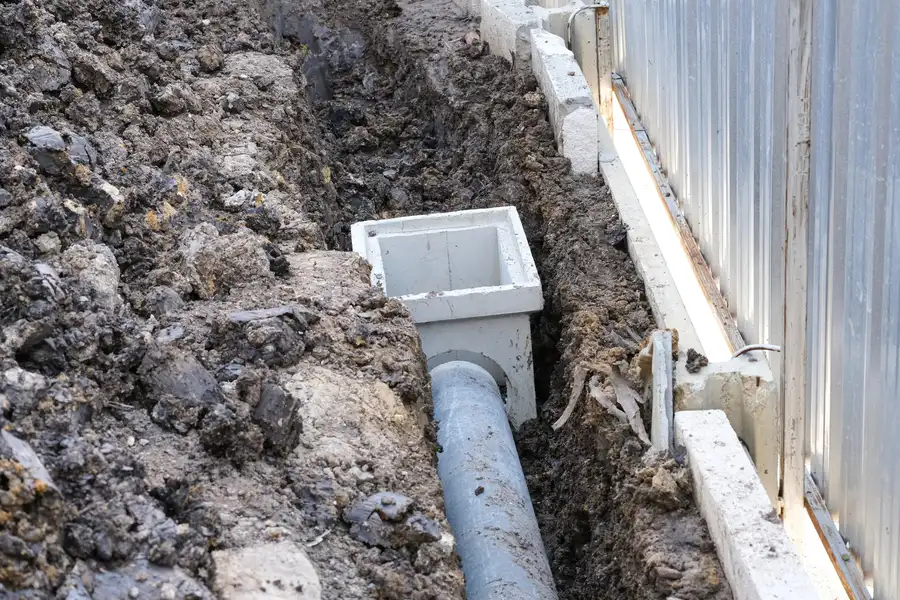
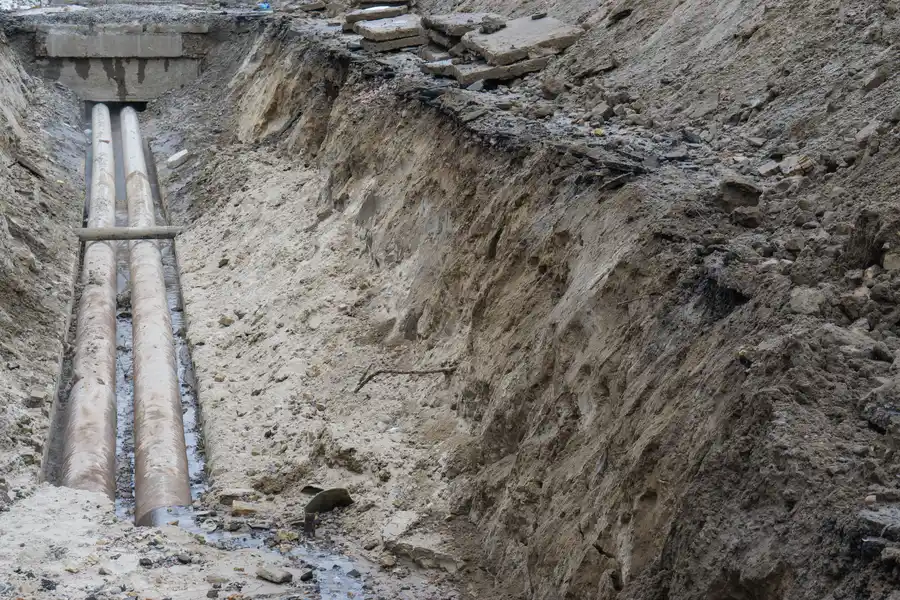
Outside the home, roots can push into underground lines through tiny openings. Soil movement can also shift pipes out of place. When that happens, water hits a low spot or a break instead of flowing freely. This is one reason drain repair can do more than clear a clog. It can correct the shape and condition of the line itself.
The service category keyword may be broad, but even basic plumbing work often connects back to drainage health. A full system check can show if the issue is limited to one fixture or tied to a larger pipe problem.
What to Check First
Before any major work starts, it helps to check a few simple things. This can show whether the issue is a small clog near the drain opening or a deeper line problem.
- run water in one fixture and watch how fast it drains
- test other sinks, tubs, or toilets in the home
- listen for bubbling or gurgling sounds
- check for foul odors near drains
- look for water backing up in a lower drain
If only one sink is slow, the clog may be close to that fixture. If several fixtures act up at once, the trouble may be farther down the line. That is often when drain repair becomes the best way to restore normal flow.
Safe Fixes Vs Pro-Level Fixes
Some minor drain problems can be handled with basic steps. A sink stopper can be cleaned. Hair can be removed from a tub drain. A simple plunger may loosen a soft clog near the surface. These are safe first moves for easy blockage problems.
Still, deeper pipe issues need more than a quick fix. Store products can be harsh on pipes and may not clear the real blockage. Repeated clogging often points to damage, root growth, or buildup farther inside the line. Pro-level drain repair may involve drain snaking, camera inspection, pipe patching, or replacing a broken section. These methods target the real cause instead of masking the symptom.
That is how proper water flow gets restored in a lasting way. The path inside the pipe must be open and stable. If the line is still rough, cracked, or partly blocked, water will keep slowing down.
Prevention Tips
Good habits can help drains stay clear longer after repairs are made. Small changes in daily use often make a big difference.
- keep grease and oil out of kitchen drains
- use drain screens to catch hair and food bits
- flush drains with hot water when safe for the pipe
- do not treat toilets like trash cans
- watch for early signs of slow drainage
- schedule inspections if clogs keep coming back
Prevention also means acting early. If water starts pooling or smells begin to rise, waiting can lead to a larger blockage or leak. Fast action can help protect floors, walls, and cabinets from water damage.
Final Recommendation
If drains in your home are running slow, making noise, or backing up, the line may need more than a basic cleaning. Proper water flow depends on a clear, sound pipe from start to finish. In Queens, NY, drain problems can grow fast when ignored. Contact Joe Rooter Sewer and Drain Cleaning to schedule an inspection or repair plan. Call us at (917) 764-4047, and we can help find the cause, fix the line, and restore steady drainage throughout your home.