Many Boiler Issues Start With Wear, Blocked Parts, Low Pressure, or Poor Upkeep
Most common boiler problems happen because parts wear out, water pressure drops, air gets trapped, dirt builds up, or the unit has not been serviced on time. Some issues are small and easy to spot. Others need trained help. If your system is making odd sounds, not heating well, or shutting off, the cause is often linked to a few common faults seen in boiler repair calls.
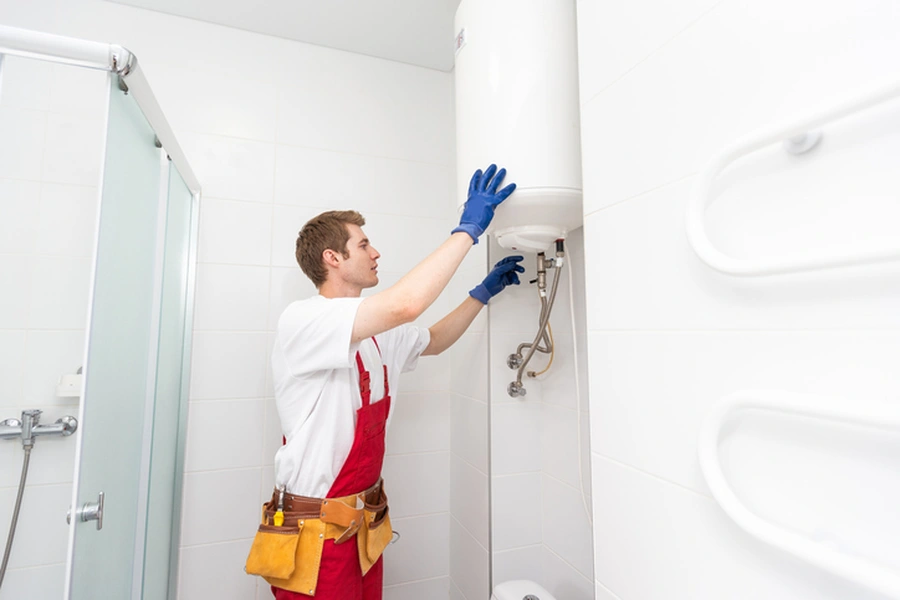
Quick Diagnosis Summary
Boilers work hard to heat water and move it through your home. When one part fails, the whole system can act up. A bad pump, stuck valve, broken thermostat, dirty burner, or low pressure can all lead to poor heat or no hot water. Older systems may also have rust, scale, or weak seals. In many homes, boiler repair starts with finding the first sign of trouble before the issue spreads.
Common Symptoms
The signs of boiler trouble are often easy to notice. You may hear banging, whistling, or gurgling. The radiators may stay cool. Hot water may come and go. The unit may leak, turn off, or show a fault code. Some homes also smell something odd near the unit, which should never be ignored.
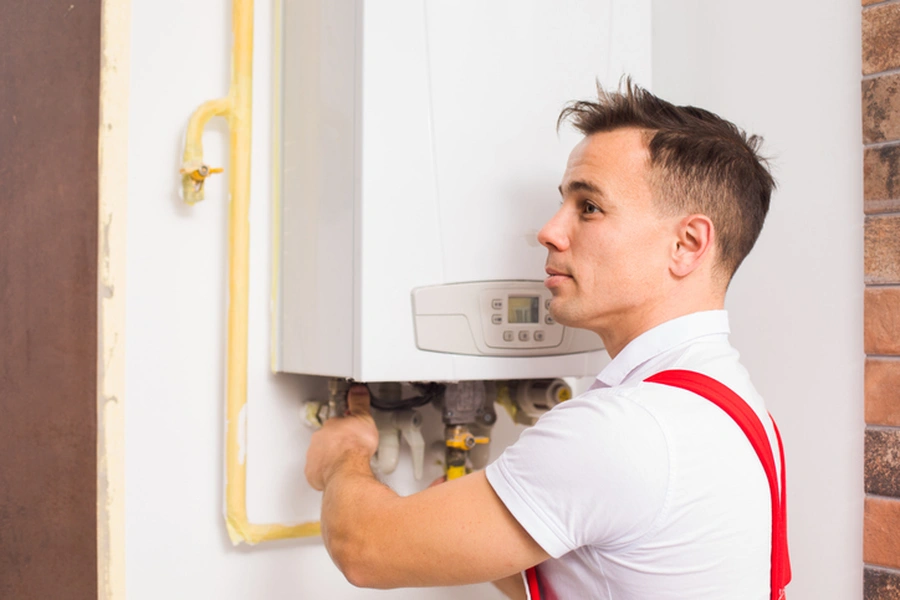
- No heat or low heat
- No hot water
- Water leaks around the unit
- Strange noises from pipes or the boiler
- Pressure keeps dropping
- Pilot light or ignition problems
- System turns on and off too often
These signs do not all point to the same fault, but they do show that the system needs attention. In some cases, the issue may be tied to the wider heating service setup, not just one boiler part.
Likely Causes
Many boiler faults come from the same few causes. Low water pressure is one of the most common. Without the right pressure, heated water cannot move as it should. Air in the lines can also block flow and cause cold spots in radiators. If the pump is weak or stuck, the water may not circulate well.
Dirt and scale are also common problems. Over time, minerals in water can build up inside the heat exchanger or pipes. This can cause overheating, loud noises, and poor system output. A thermostat that reads the wrong temperature can also make the system cycle at the wrong time. If the ignition system fails, the boiler may not fire at all.
Leaks are another common cause. A leaking valve, loose fitting, or worn seal can lower pressure and harm nearby parts. In older units, corrosion can eat away at metal parts and lead to repeat breakdowns. When this happens, boiler repair may involve more than one failed part.
What to Check First
Before calling for help, there are a few basic things you can check safely. Start with the thermostat. Make sure it is on and set high enough to call for heat. Next, look at the pressure gauge. If the level is too low, the boiler may not run right. Also check if the power switch is on and if the circuit breaker has tripped.
- Check the thermostat setting and batteries if it has them.
- Look at the boiler pressure gauge.
- See if the unit has power.
- Check for a reset button, if your model has one.
- Look for visible leaks under or around the unit.
- Listen for unusual sounds when the system starts.
If your radiators are warm in some spots and cold in others, trapped air may be part of the problem. If the display shows an error code, write it down before getting help. That code can point to the cause faster.
Safe Fixes Vs Pro-Level Fixes
Some simple steps are safe for homeowners. You may be able to reset the unit, adjust the thermostat, or check for low pressure. In some systems, bleeding a radiator can help with trapped air. These are small checks that do not involve opening the boiler cabinet or working with gas or electrical parts.
Other problems should always be left to a trained technician. Gas supply faults, burner problems, internal leaks, pump failure, wiring issues, and heat exchanger trouble need professional care. Trying to fix these parts without training can make the problem worse and may create a safety risk.
If your boiler keeps failing after a reset, loses pressure often, or leaks water, it is time for professional boiler repair. The same is true if there is a burning smell, soot, or no heat during cold weather.
Prevention Tips
Many boiler problems can be reduced with regular care. Annual service helps catch worn parts early. Keeping the system clean also helps it run better. Small issues like a drip or a noisy pipe may seem minor, but they can grow into bigger repairs if ignored.
- Schedule yearly service for the boiler and heating system
- Watch the pressure gauge from time to time
- Bleed radiators when they have cold spots
- Do not ignore leaks or odd sounds
- Keep the area around the boiler clear
- Have older systems checked before winter starts
Prevention also means acting early. A boiler that short cycles, heats unevenly, or makes new sounds is asking for attention. Fast action can help avoid larger breakdowns and longer periods without heat or hot water.
Final Recommendation
If your system is showing signs of trouble in Queens, NY, do not wait for a full breakdown. At Joe Rooter Sewer and Drain Cleaning, we handle boiler repair for all kinds of common system faults and can help find the cause fast. Call us at (917) 764-4047 to schedule a visit or talk through what your boiler is doing.