What Happens During a Routine Service Visit
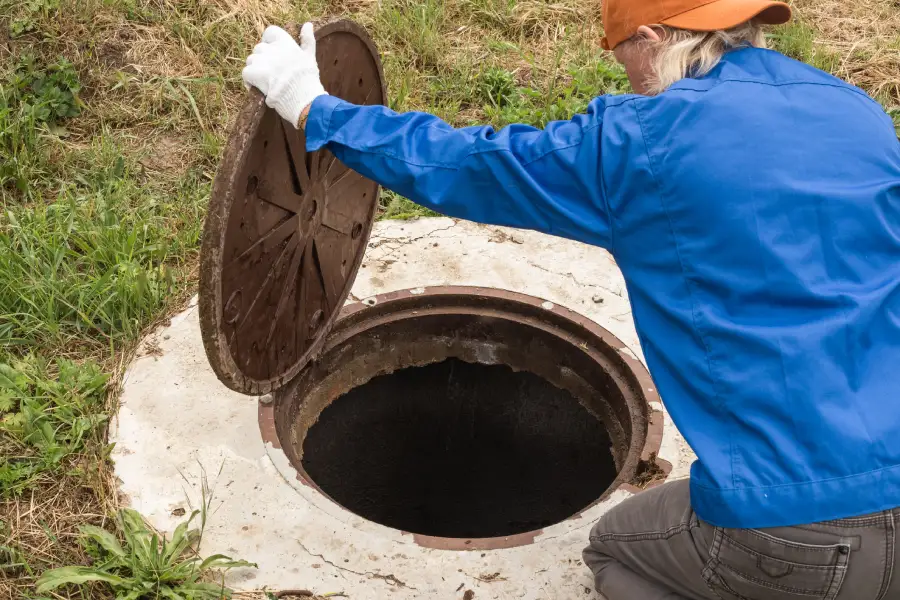
During sewer maintenance, a crew checks the sewer line for buildup, damage, and signs of trouble. They may inspect the pipe, clean out debris, and test how well water moves through the line. The goal is to catch small problems early and help the system keep working well. If you live in Queens, NY, this kind of care can help lower the chance of messy backups and surprise repairs.
Why Prevention Matters
sewer maintenance helps your plumbing system stay in better shape over time. A sewer line carries waste and water away from your home or building every day. That means grease, soap, tree roots, and other debris can build up inside. If that buildup gets worse, the line can drain slowly or clog all at once. Regular care gives the line a better chance to stay clear and safe.
This type of work is part of good service care for any property. It can also help spot weak pipe joints, cracks, or root growth before they turn into a larger problem. Many people wait until there is a bad smell or a backup. By then, the issue is often harder to fix.
Early Warning Signs
Many sewer line problems start with small clues. These signs may seem minor at first, but they can point to trouble below the ground. If you notice more than one of these signs, it may be time to set up sewer maintenance.
- Slow drains in more than one sink or tub
- Gurgling sounds from toilets or drains
- Bad smells near drains or outside
- Water backing up in a tub or floor drain
- Wet spots or extra green grass in the yard
- Frequent clogs that keep coming back
These signs do not always mean the line is badly damaged. Still, they should not be ignored. A simple check can help show if the problem is buildup, roots, or pipe wear.
Seasonal or Routine Checklist
A routine visit often follows a simple process. While each property is different, most sewer maintenance jobs include the same basic steps. This helps the technician see the line’s condition and clean it if needed.
- Ask about signs like slow drains, smells, or backups.
- Find the cleanout or best access point to the line.
- Inspect the line with tools, and sometimes a small camera.
- Check for grease, sludge, roots, or damaged pipe areas.
- Clean the line with snaking or hydro jetting if needed.
- Test flow to see if water moves out the right way.
- Share findings and note any future repair needs.
Some homes need this once in a while, while older properties may need more regular visits. Restaurants or busy buildings may also need more frequent care because of heavy use. A simple schedule can help stop repeat drain issues before they grow.
Best Practices for Long-Term Results
Good habits make a big difference after sewer maintenance is done. What goes down your drains affects the line every day. Even a strong pipe can struggle if the wrong materials collect inside it. Small changes can help the whole system last longer.
Try to keep grease, wipes, paper towels, hygiene products, and food scraps out of drains and toilets. Use drain strainers where you can. If trees grow near the sewer line, keep an eye on root growth. For older homes, a camera check from time to time can help find wear before it turns into a leak or break.
It also helps to keep records of past clogs, cleanings, or repairs. If the same issue keeps coming back, that pattern can point to a deeper problem in the line. Knowing that history can save time during future service visits.
What Not to Do
Some choices can make sewer line trouble worse. A lot of people try store chemicals when a drain runs slow. Those products may not remove the real blockage, and they can be hard on older pipes. Pushing debris deeper into the line with the wrong tool can also create a bigger clog.
It is also not a good idea to ignore small signs. A toilet that bubbles once in a while or a drain that smells bad may seem easy to live with. Still, those signs can point to a line that needs attention. Waiting too long can lead to a backup inside the home or building.
Another mistake is treating every clog like a simple sink issue. If several drains act up at the same time, the problem may be in the main sewer line, not one fixture. That calls for the right equipment and a careful inspection.
When to Schedule Professional Help
Professional help is a smart choice when problems affect more than one drain, when odors keep coming back, or when water backs up into tubs or floor drains. It is also wise to schedule sewer maintenance if your property has older piping, large trees near the line, or a history of repeat clogs.
A trained crew can use tools that most property owners do not have, such as inspection cameras and stronger cleaning equipment. They can also tell the difference between a simple blockage and a pipe that is cracked or misaligned. That matters because the fix for buildup is very different from the fix for a broken line.
If you are buying an older home, planning a remodel, or managing a building with heavy use, a service check can be a smart step. It gives you a clearer idea of the line’s condition and helps you plan next steps before a problem interrupts your day.
Get Help Before Small Issues Grow
If you are seeing signs that point to sewer line trouble in Queens, NY, reach out for help before the problem gets worse. At Joe Rooter Sewer and Drain Cleaning, we can inspect the line, explain what we find, and talk through the next step in plain language. Call us at (917) 764-4047 if you want to set up sewer maintenance or ask questions about your system.